What Conditions Can Mechanical Traction Help Treat?
Mechanical traction uses controlled force to gently stretch the spine, which may help reduce pressure on certain spinal structures and improve mobility. Depending on your diagnosis and symptoms, a physical therapist may consider traction for conditions such as:
- Herniated or bulging discs
- Spinal stenosis
- Degenerative disc conditions
- Spinal arthritis
- Neck and lower back pain
- Nerve-related symptoms
- Reduced spinal mobility or stiffness
- Auto accident or workplace injuries
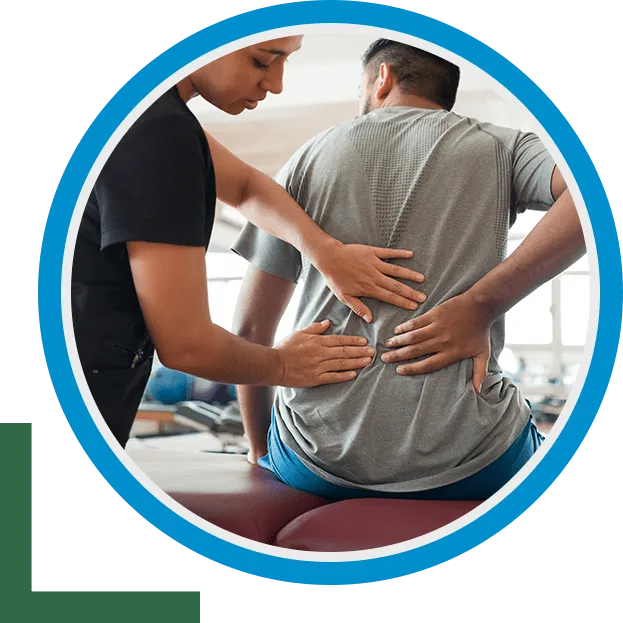
Mechanical traction is not appropriate for every type of neck or back pain. Before recommending treatment, your physical therapist will evaluate your symptoms, medical history, mobility, and underlying condition or injury to determine whether traction is a suitable option.
What to Expect During and After Mechanical Traction
During mechanical traction, your physical therapist will position you comfortably on the treatment table and secure the appropriate areas to allow controlled stretching. The amount of traction force is carefully selected according to your condition and comfort level. You may feel a gentle pulling or stretching sensation, but mechanical traction should not be painful. Your therapist will monitor your comfort throughout the session and can adjust the treatment when necessary. Communicating any discomfort or changes in your symptoms helps your therapist make appropriate modifications.
Some patients may notice reduced stiffness or easier movement following treatment. Depending on your condition and response, multiple sessions may be recommended. Your therapist will reassess symptoms and functional progress between appointments to determine whether traction should remain part of your rehabilitation plan.
How Mechanical Traction Is Integrated into a Physical Therapy Plan
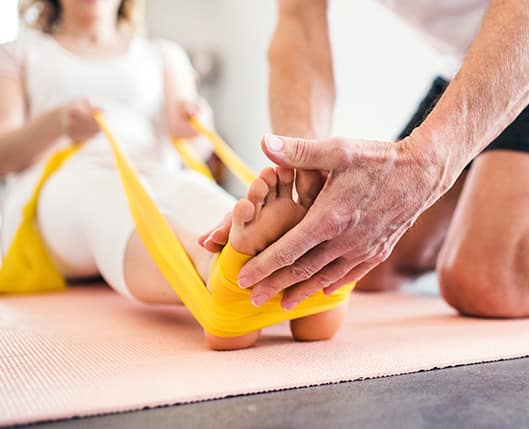
Mechanical traction is generally one part of a comprehensive physical therapy program rather than a standalone solution. Depending on your needs, traction may be combined with flexibility exercises, strength training, joint mobilization, and other active or passive therapies.
Passive treatments such as traction can help prepare the body for active rehabilitation by addressing discomfort or mobility restrictions. From there, strengthening exercises may improve muscular support around affected areas and contribute to longer-term functional improvement.
Every rehabilitation program should reflect the patient’s diagnosis, physical limitations, and recovery goals. The broader objective is not simply temporary pain relief, but improved mobility, strength, movement, and function that can support everyday activities.
Why Choose BC + PT for Mechanical Traction in Buffalo and Western New York?
When seeking mechanical traction, experience and continuity of care matter. Buffalo Chiropractic + Physical Therapy brings more than 86 years of combined team experience to patient care, giving you access to knowledgeable physical therapy providers who understand how traction can fit into a broader rehabilitation program. Our individualized approach means treatment is based on your specific condition and goals rather than a one-size-fits-all protocol.
With multiple Buffalo-area and Western New York offices, patients can receive convenient care while maintaining consistency with their treatment plans. If you need to transition between BC + PT locations, you can continue working with a provider from our group for greater continuity throughout rehabilitation.
Contact Buffalo Chiropractic + Physical Therapy to schedule an evaluation and find out whether mechanical traction may be appropriate for your injury or condition.