
Soft Tissue Massage in Buffalo & Western New York
Feel more relaxed with this physical therapy technique
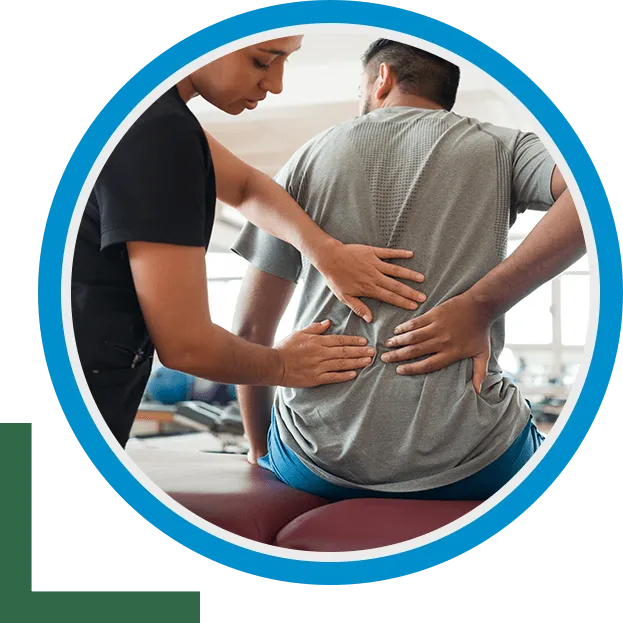
A soft tissue massage is utilized for patients with muscular injuries or conditions. Physical therapists often use soft tissue massages to help stretch the muscle fibers, which promotes and helps maintain flexibility. A soft tissue massage is different from a deep tissue massage in that it focuses less on slow, pressured movements, and works more with a range of pressures and durations. Most people report feeling relaxed after this particular treatment!
The physical therapists at BC + PT are all specially trained in utilizing this manual technique. They will gladly guide you through the process of a soft tissue massage and any other of the therapies they perform during your treatment process.
Benefits of soft tissue massage
There are many benefits of soft tissue massage, including the following:
- Reduce inflammation
- Decrease blood pressure
- Ease stiffness
- Improve range of motion
- Stress reduction
- And more!
According to Gosforth Physio, soft tissue massage also improves mental health, because it improves your brain wave correspondence to enhance problem-solving skills. The physical therapists here at BC + PT are here to help answer any questions and guide you through your healing and wellness journey.
What Conditions Can Soft Tissue Massage Help Treat?
Soft tissue massage can be incorporated into physical therapy to address muscle tension, restricted movement, and other soft tissue problems that may interfere with everyday activities. Depending on the cause and severity of your symptoms, your physical therapist may recommend massage for conditions and injuries such as:
- Muscle strains and overuse injuries: Repetitive activity or sudden movements can strain muscles and contribute to soreness, tightness, and reduced function.
- Muscle tightness and stiffness: Restricted muscles can make normal movements uncomfortable and limit flexibility.
- Sports injuries: Athletes may experience muscle strains, soreness, or soft tissue restrictions that affect performance and recovery.
- Auto accident injuries: Collisions can place sudden stress on muscles and other soft tissues, potentially contributing to pain and stiffness.
- Work-related injuries: Repetitive movements, heavy lifting, and physically demanding tasks can lead to muscular problems.
- Postural and repetitive-motion problems: Prolonged positions and repeated movements can contribute to muscle tension and imbalances.
- Limited flexibility or range of motion: Soft tissue restrictions may make it difficult to move a joint through its normal range.
- Muscle soreness during rehabilitation: Massage may be used alongside other treatments as patients gradually increase activity.
- Soft tissue restrictions: Areas of tightness may interfere with comfortable, efficient movement.
Soft tissue massage is not appropriate for every injury. Before recommending treatment, a physical therapist can evaluate the affected area, symptoms, mobility limitations, medical history, and stage of recovery to determine whether massage should be included in your rehabilitation plan.
What Happens During a Soft Tissue Massage in Physical Therapy?
Before beginning soft tissue massage, your physical therapist will assess the affected muscles and surrounding tissues to identify areas of tightness, tenderness, muscle spasms, or restricted movement. Treatment can then be adjusted according to your symptoms and rehabilitation goals.
During the session, your therapist may use different levels of pressure and hands-on techniques to manipulate muscles and other soft tissues. You may notice pressure or sensitivity in certain areas, particularly where the tissue is tight. However, treatment should remain tolerable and should not cause unnecessary pain. Let your therapist know if you experience significant discomfort or a change in symptoms so the technique can be adjusted.
Following treatment, some patients notice that the area feels less stiff or that movement becomes easier. Temporary tenderness or soreness may also occur. Your therapist will consider how you respond to each session when determining whether massage should continue and how frequently it should be incorporated into your physical therapy program.
How Can Soft Tissue Massage Improve Mobility and Flexibility?
Tight muscles can affect more than comfort. When muscles and surrounding tissues become restricted, they may make certain movements more difficult and interfere with normal range of motion. These limitations can affect how you walk, bend, reach, exercise, work, or perform everyday activities.
Soft tissue massage focuses on areas of muscular tension and restriction to support better tissue mobility. As tightness improves, patients may find it easier to participate in stretching, flexibility exercises, and other movement-based treatments.
This can be particularly valuable during rehabilitation when stiffness makes active exercise more challenging. Improving tissue mobility can help create a better foundation for restoring healthier movement patterns.
Unlike massage performed primarily for relaxation, soft tissue massage within physical therapy has a functional purpose. The goal is to address restrictions that may be contributing to your symptoms and help you progress toward improved flexibility, mobility, and everyday function.
How Does Soft Tissue Massage Fit into a Physical Therapy Program?
Soft tissue massage is generally most effective as one component of a broader rehabilitation program rather than a standalone treatment. Physical therapists can combine passive treatments with active rehabilitation techniques to address different factors contributing to pain or limited movement.
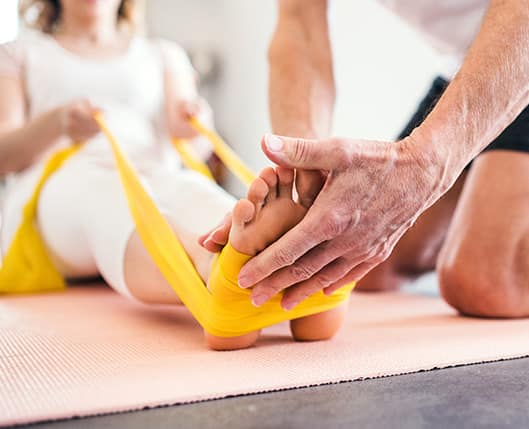
Active rehabilitation is particularly important because it allows patients to build on improvements achieved during hands-on treatment. Strengthening exercises can address muscle weakness and imbalances, while mobility and flexibility work can help reinforce healthier movement patterns.
The right combination of treatments depends on your diagnosis, physical limitations, activity level, and recovery goals. Rather than relying exclusively on passive treatment for short-term symptom management, physical therapy focuses on helping you regain the strength and movement needed for lasting functional improvement.
Soft Tissue Massage for Auto Accident and Work Injuries
Auto accidents and workplace injuries can place significant stress on muscles and surrounding soft tissues. A sudden collision may cause muscular tension, soreness, muscle spasms, and restricted movement, while repetitive work, lifting, prolonged positions, or physically demanding tasks can gradually contribute to similar problems.
Following an injury, a professional evaluation can help identify which tissues have been affected and determine the appropriate approach to rehabilitation. When clinically appropriate, soft tissue massage may be incorporated into treatment to address muscular tightness and help patients regain comfortable movement.
Massage may then be paired with exercises designed to rebuild strength, improve flexibility, and restore function. This comprehensive approach addresses more than immediate symptoms. It can also help patients work toward the physical demands of everyday life, work responsibilities, and other activities as their recovery progresses.
Soft Tissue Massage vs. Deep Tissue Massage: What Is the Difference?
Soft tissue massage is a broad therapeutic approach that can involve different techniques and levels of pressure to address muscles and surrounding tissues. The technique selected depends on the area being treated, the patient’s symptoms, and the objectives of rehabilitation.
Deep tissue massage generally involves more sustained pressure directed toward deeper layers of muscles and connective tissues. However, more pressure does not necessarily produce a better therapeutic result.
Within physical therapy, the priority is selecting an appropriate technique for the patient’s condition and tolerance. Your therapist can modify pressure and technique according to how your tissues respond. Rather than simply providing relaxation, physical therapy massage is used with specific rehabilitation goals in mind, such as improving mobility and supporting a return to normal function.
Why Choose BC + PT for Soft Tissue Massage in Buffalo & Western New York?
When soft tissue massage is part of your physical therapy care, choosing a provider with rehabilitation experience is important. At Buffalo Chiropractic + Physical Therapy, our team brings more than 86 years of combined experience to patient care, with specially trained physical therapists providing individualized treatment based on each patient’s condition and goals.
Because we offer a comprehensive range of active and passive physical therapy services, soft tissue massage can be incorporated into a broader rehabilitation program when appropriate. You are not receiving a generic massage session. Your care is connected to an overall plan designed around improving movement and function.
BC + PT also offers multiple locations throughout Buffalo and Western New York, making consistent appointments more convenient. Patients who need to transition between offices can maintain continuity with the same provider, helping keep rehabilitation organized and consistent.
Contact Buffalo Chiropractic + Physical Therapy to schedule an evaluation and learn whether soft tissue massage may be appropriate for your needs.
FAQs About Soft Tissue Massage Physical Therapy
Is soft tissue massage supposed to hurt?
Soft tissue massage may create pressure or mild sensitivity when a therapist works on tight areas, but it should remain tolerable. Tell your physical therapist about discomfort so pressure and technique can be adjusted appropriately.
How often should you receive soft tissue massage during physical therapy?
There is no single schedule appropriate for every patient. Frequency depends on your condition, stage of recovery, response to treatment, and the other therapies included in your rehabilitation program.
Is soft tissue massage the same as myofascial release?
No. Although both are hands-on techniques, myofascial release specifically focuses on restrictions involving the fascia surrounding muscles and other structures. Soft tissue massage can involve a broader range of techniques targeting muscles and related tissues.
Can soft tissue massage be combined with exercise?
Yes. Soft tissue massage is frequently incorporated alongside active rehabilitation. Addressing muscle tightness may help prepare patients for stretching, mobility exercises, strength training, and other activities intended to restore movement and function.